
Full-funnel demand generation is a coordinated, multi-stage marketing system that creates net-new buyer intent through awareness, education, and category positioning before deploying demand capture tactics to convert in-market prospects into qualified pipeline. Unlike lead generation – which harvests existing demand from buyers already searching – demand generation engineering expands Total Addressable Market (TAM) penetration by surfacing “cost of inaction” narratives, building problem awareness, and establishing vendor preference in the dark funnel, where 70% to 80% of the B2B buyer journey occurs before a prospect ever contacts sales. Organizations that invest only in demand capture channels – branded search, retargeting, and bottom-of-funnel gating – are competing for a fraction of their addressable market while systematically ignoring the 95% of future buyers who are not actively searching today.
Most B2B marketing teams are optimizing for the wrong end of the funnel. They run Google Ads against keywords that already-decided buyers search. They gate every asset behind a form, qualifying only the prospects motivated enough to trade their email for a PDF. They measure success by MQL volume, which counts the people demand generation already reached – not the ones it failed to create.
This article dismantles the capture-first mindset and builds a complete framework for full-funnel demand generation – from category creation at the top to pipeline acceleration at the bottom, with the measurement infrastructure to connect every dollar to revenue.
Organizations that want to shift from reactive capture tactics to a systematic demand creation engine can explore the full revenue-aligned marketing intelligence framework at BRMIS to understand how these strategies connect to measurable pipeline outcomes.
What is Full-Funnel Demand Generation? (Definition)
Full-funnel demand generation is the practice of building, nurturing, and converting buyer demand across every stage of the purchase journey – from the moment a future buyer first becomes aware that a problem exists, through evaluation and selection, to a closed-won deal and customer expansion.
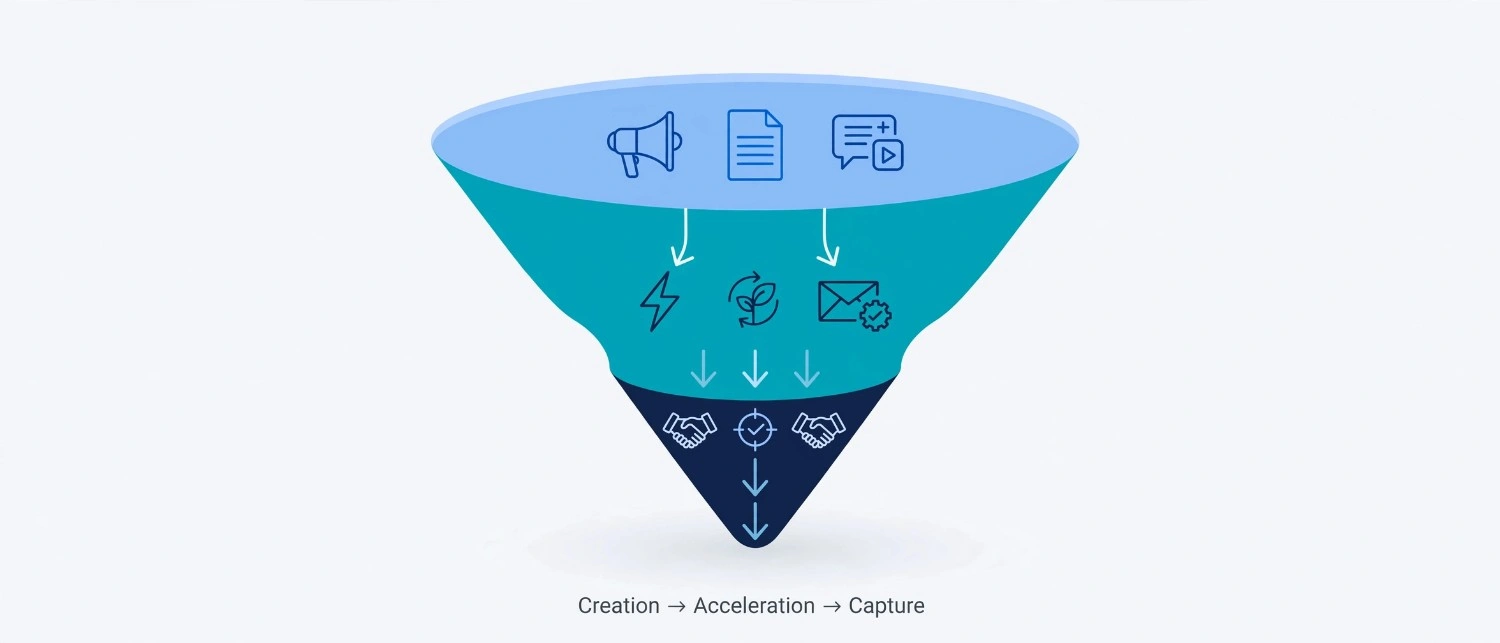
It operates in two simultaneous modes:
Demand Creation
Building awareness and intent in buyers who are not yet actively researching solutions. This is the top of the funnel – thought leadership, educational content, community, brand, and category positioning.
Demand Capture
Converting existing intent from buyers who are actively researching and comparing solutions. This is the middle and bottom of the funnel – SEO, paid search, review platforms, comparison content, and sales enablement.
The critical distinction: demand capture can only convert demand that already exists. Demand creation builds the pool of future buyers from which demand capture will eventually draw.
Quick definition for featured snippets:
Full-funnel demand generation is a marketing system that spans the entire buyer journey – creating awareness at the top, building preference in the middle, and converting intent at the bottom – through coordinated content, channel, and measurement strategies aligned to pipeline and revenue goals.
Why Demand Generation Starts Before the Search Bar
Here is the reality that most marketing teams resist: by the time a B2B buyer performs a Google search for your category, your best opportunity to influence their purchase decision is nearly gone.
According to Gartner research, B2B buyers use an average of seven channels before making a purchase decision – four digital and three non-digital. Research from Forrester’s 2026 State of Business Buying report shows the typical buying decision now involves 13 internal stakeholders and up to nine external influencers.
The implications are significant:
- 83% of B2B buyers fully define their purchase requirements before speaking with any sales representative (6sense, 2025)
- 70% to 80% of the buyer journey is complete before a prospect initiates vendor contact (Gartner, 2024; Forrester, 2024)
- 92% of B2B buyers begin their journey with at least one vendor already in mind (6sense, 2025)
- 61% of buyers prefer a completely sales-rep-free buying experience at some stage of evaluation (Gartner, 2025)
The vendor already in mind when a buyer starts their formal search is almost never chosen through paid search. That vendor is in the buyer’s consideration set because of content they read months earlier, a podcast they listened to, a LinkedIn post that framed the problem precisely, or a peer recommendation in a private community. That is demand generation at work.
Full-funnel demand generation captures that pre-search opportunity by investing in the channels and content formats that shape buyer thinking before intent crystallizes into a Google query.
The Three Phases of Full-Funnel Demand Generation
A well-structured demand generation engine operates across three coordinated phases, each with distinct objectives, channels, and success metrics.
Phase 1: Demand Creation (Top of Funnel)
Objective
Create awareness of the problem and establish your brand as the authoritative voice in your category – among buyers who are not yet actively searching.
Who you are reaching
The 95% of your total addressable market that is not in-market right now but represents your largest pool of future pipeline.
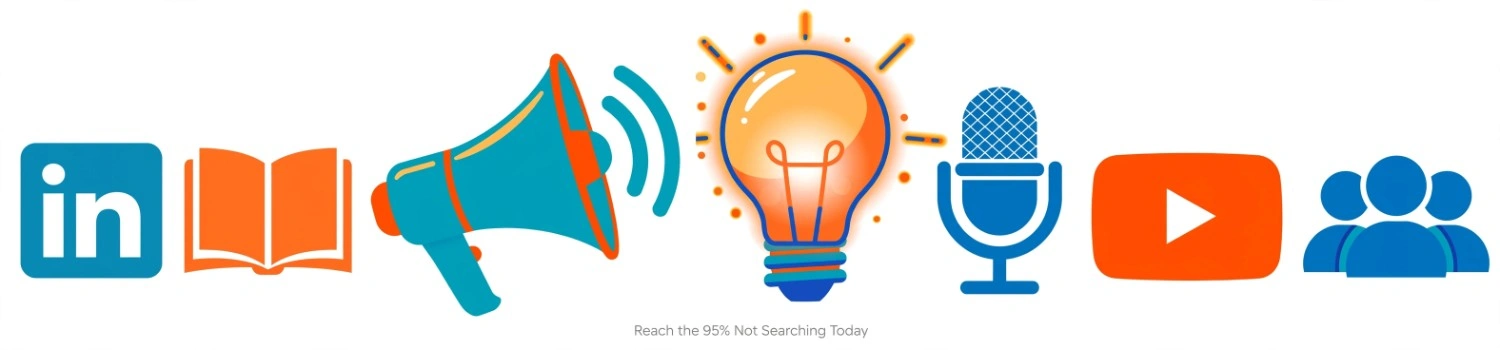
Core channels and tactics:
- Organic thought leadership content (ungated)
- LinkedIn organic and paid – executive personal brands and sponsored content
- Podcasts – both hosting your own and appearing as a guest on established shows
- YouTube educational content
- Industry newsletters and media partnerships
- Community building – Slack groups, LinkedIn communities, industry forums
- Original research and benchmark reports
- Speaking engagements and events
Key measurement signals:
- Branded search volume growth (month-over-month)
- Organic impression share on problem-aware keywords
- Social reach and organic engagement rate
- Direct traffic growth as a proxy for brand recall
- Content consumption depth (scroll depth, time on page, repeat visits)
Important note on gating: Gating top-of-funnel content defeats the purpose of demand creation. The goal at this stage is maximum distribution and consumption – not lead capture. Removing gates from educational content typically increases consumption by 3 to 5 times, which dramatically expands the pool of future buyers developing familiarity with your brand.
Phase 2: Demand Acceleration (Middle of Funnel)
Objective
Convert problem-aware prospects into solution-aware prospects who actively consider your brand in their evaluation set – before they initiate formal vendor research.
Who you are reaching
Buyers who have consumed top-of-funnel content and are beginning to develop a point of view on how to solve their problem. They are researching approaches, not yet vendors.
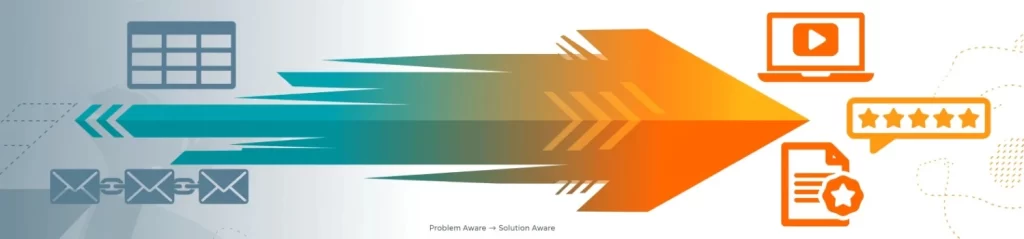
Core channels and tactics:
- Comparison and versus content (e.g., “Approach A vs. Approach B”)
- Deep-dive educational webinars (live and on-demand)
- Email nurture sequences for opted-in subscribers
- Case studies and customer success stories framed around outcomes
- Solution-category landing pages optimized for consideration-stage queries
- Retargeting campaigns for top-of-funnel content consumers
- Review platform presence (G2, Capterra, Trustpilot, Clutch)
- Sales enablement content that the buying committee can share internally
Key measurement signals:
- Email subscriber growth and engagement rates
- Webinar registration and attendance rates
- Case study page views and engagement
- Review platform listing views and inquiry volume
- Pipeline influence from middle-funnel touchpoints (tracked via W-shaped attribution)
Phase 3: Demand Capture (Bottom of Funnel)
Objective
Convert in-market buyers – those actively searching for a solution – into qualified sales conversations and closed-won pipeline.
Who you are reaching
Prospects who have completed their independent research phase, formed a shortlist, and are ready for direct vendor engagement.
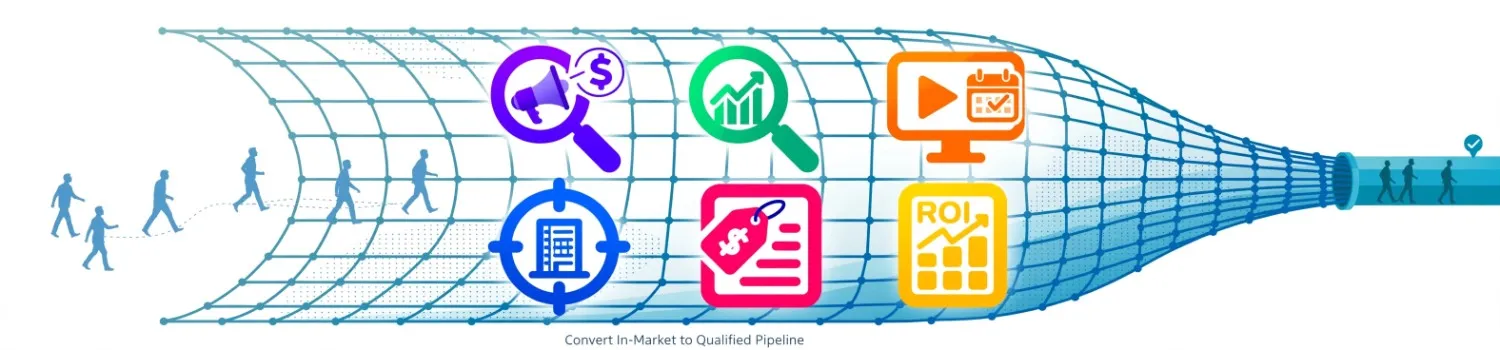
Core channels and tactics:
- Branded and non-branded paid search (Google Ads, Microsoft Ads)
- SEO for high-intent transactional and comparison keywords
- Demo request and free trial landing pages with conversion rate optimization
- Account-Based Marketing (ABM) for high-value named accounts
- Sales outreach sequences informed by intent data signals
- Competitor comparison pages
- Pricing and ROI calculator tools
Key measurement signals:
- Demo requests and trial sign-ups
- Marketing Qualified Lead (MQL) to Sales Qualified Lead (SQL) conversion rate
- Cost per pipeline opportunity
- Pipeline velocity (time from first touch to opportunity creation)
- Win rate by acquisition channel
Full-Funnel Demand Generation vs. Lead Generation: Key Differences
Many organizations confuse demand generation with lead generation. They are not the same function. Understanding the distinction is foundational to building an effective full-funnel strategy.
| Dimension | Lead Generation | Full-Funnel Demand Generation |
|---|---|---|
| Primary goal | Collect contact information | Build buyer intent and pipeline |
| Funnel focus | Bottom-of-funnel conversion | All stages simultaneously |
| Content approach | Gated assets behind forms | Ungated creation + gated conversion |
| Audience | Buyers actively searching now | 100% of the addressable market |
| Measurement | MQL volume, CPL | Pipeline influenced, revenue attributed |
| Time horizon | Short-term (weeks) | Long-term (months to years) |
| Brand investment | Minimal | Central to the strategy |
| Dependency on paid | High | Balanced across paid, owned, earned |
| Sales alignment | Lead handoff | Full-funnel revenue alignment |
The fundamental problem with pure lead generation is that it only addresses the 5% of the market that is actively searching right now. Full-funnel demand generation builds the relationship with the other 95% – so that when they do enter the market, your brand is already their first choice.
Companies that rely exclusively on demand capture experience pipeline drops of approximately 35% when competitor spending increases or search algorithm changes occur, according to benchmarks published by The Starr Conspiracy. Teams prioritizing only demand creation face pipeline gaps during market downturns that miss quarterly targets by an average of 23%. The answer is balance, not preference.
The Dark Funnel: Where Demand Generation Actually Happens
The dark funnel is the largest and least understood segment of the B2B buyer journey. It refers to all the research, conversations, and content consumption that buyers engage in through channels that are invisible to standard marketing analytics.
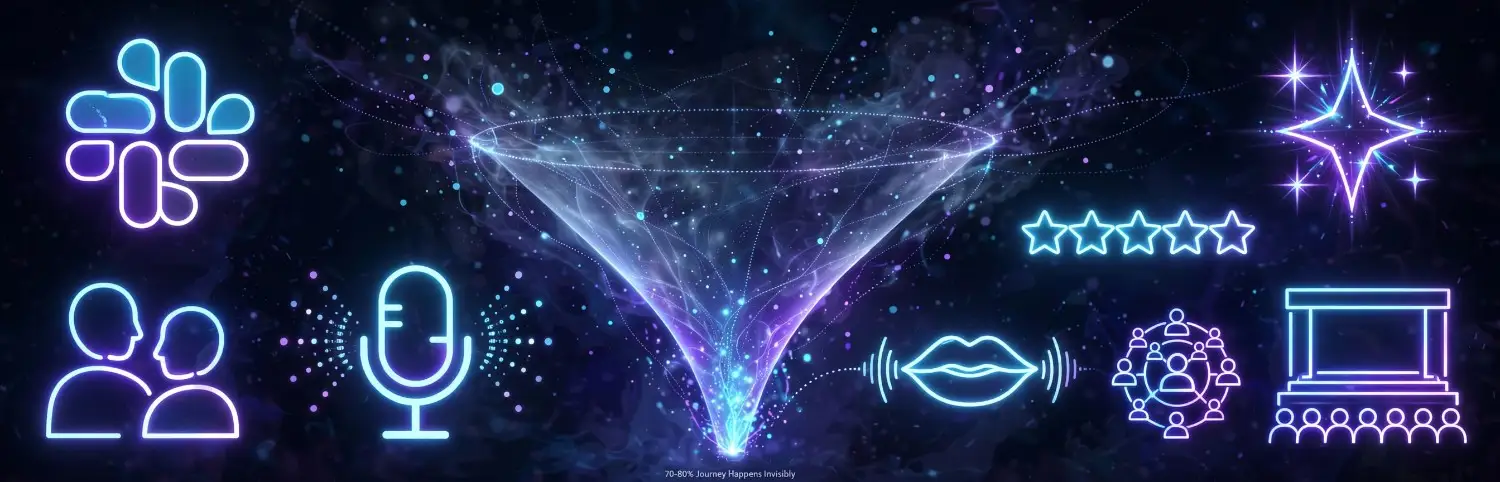
Dark funnel touchpoints include:
- Private LinkedIn messages and direct conversations
- Slack and Discord community discussions
- Peer recommendations from colleagues and professional networks
- Podcast episodes consumed without any tracking mechanism
- YouTube videos watched without clicking through to a website
- AI assistant queries (ChatGPT, Claude, Gemini, Perplexity) replacing traditional search
- G2, Capterra, and peer review platform browsing
- Industry newsletter readership
- Conference conversations and event networking
According to research cited by SimilarWeb, 70% of the B2B buyer journey is complete before a prospect ever contacts a vendor – and none of that journey is visible in your CRM or analytics platform.
This is why buyers frequently appear to convert through direct traffic or branded search with no prior marketing touchpoint in the attribution record. The touchpoints that actually built their preference happened in the dark funnel months earlier.
How full-funnel demand generation addresses the dark funnel:
- Invest heavily in channels that operate without attribution tracking: LinkedIn thought leadership, podcast guest appearances, community participation, and word-of-mouth referral programs
- Measure brand health through proxy signals: branded search volume, direct traffic trends, share of voice, and customer survey responses asking “how did you first hear about us?”
- Use your CRM’s self-reported lead source alongside tracked attribution data – self-reported first-touch often surfaces dark funnel influences that UTM tracking never captures
- Build a presence on AI assistants by creating content that earns citations in platforms like Perplexity and ChatGPT
How to Build a Full-Funnel Demand Generation Strategy: Step by Step
Step 1: Define Your Ideal Customer Profile (ICP) With Precision
Full-funnel demand generation fails without a highly specific ICP. You are not building demand among everyone – you are building it among the exact segment of the market most likely to need, buy, and succeed with your solution.
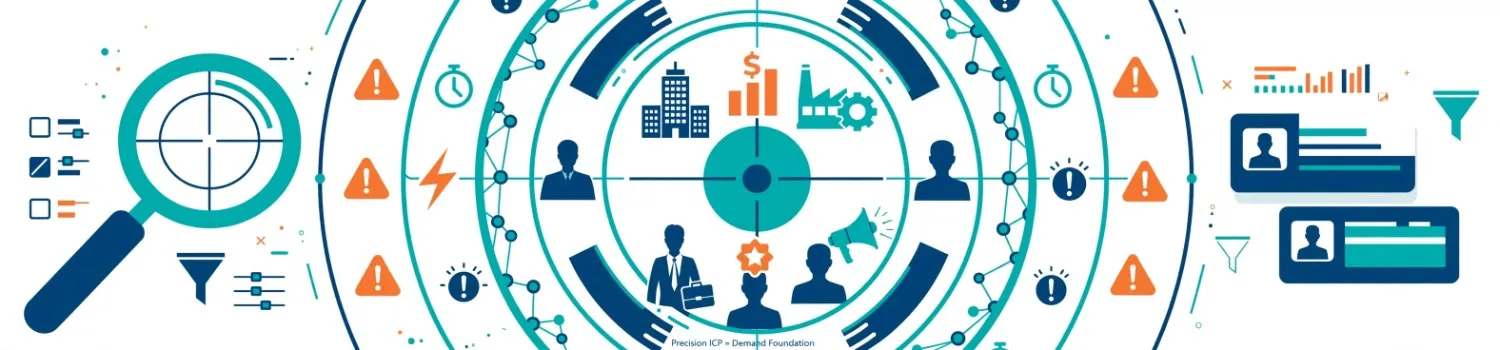
Your ICP definition should include:
- Firmographic attributes: industry, company size, revenue, headcount, tech stack, geography
- Buying committee roles: who initiates, who influences, who approves, who uses
- Trigger events: funding rounds, hiring signals, technology migrations, regulatory changes, leadership transitions
- Pain triggers: the specific operational problems, growth blockers, or risk scenarios that make your solution necessary
- Watering holes: where these buyers consume content, learn from peers, and form vendor opinions
Step 2: Map the Buyer Journey Across All Three Phases
Document the specific content, channels, and touchpoints your buyers encounter at each funnel stage. This journey map becomes your content and channel investment roadmap.
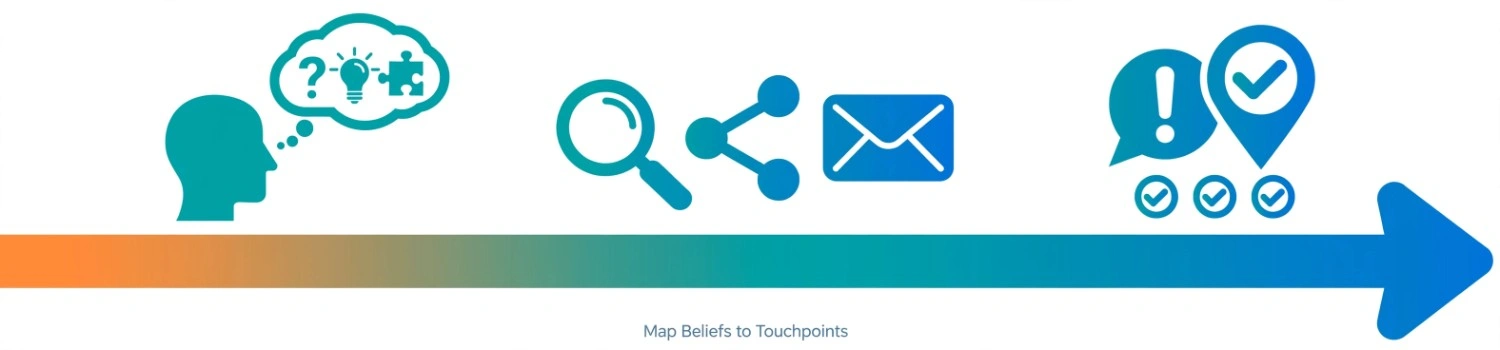
For each funnel stage, answer:
- What does the buyer believe at this stage?
- What questions are they asking?
- Where are they looking for answers?
- What would move them to the next stage?
- What objections do they hold?
Step 3: Build a Content Engine for Each Funnel Stage
Content is the fuel of full-funnel demand generation. Each funnel stage requires different content formats, distribution channels, and consumption triggers.
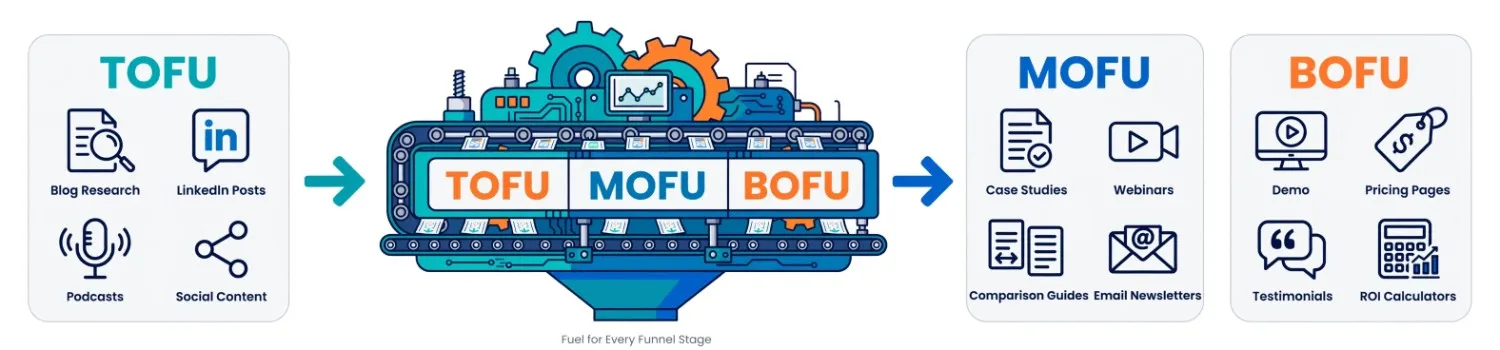
Top-of-funnel content formats:
- Original research and benchmark reports (build category authority)
- Educational long-form articles addressing problem awareness
- LinkedIn thought leadership posts from executives and subject matter experts
- Podcast episodes covering industry challenges without direct product promotion
- YouTube tutorials and explainer videos
Middle-of-funnel content formats:
- In-depth case studies structured around measurable customer outcomes
- Comparison guides (approach vs. approach, not brand vs. brand)
- Webinars with Q&A and audience interaction
- Email nurture sequences segmented by persona and funnel stage
- ROI frameworks and self-assessment tools
Bottom-of-funnel content formats:
- Vendor comparison pages (your brand vs. competitors)
- Demo and trial landing pages with social proof
- Pricing transparency content
- Implementation guides and success playbooks
- Sales deck components for multi-stakeholder deals
Step 4: Select and Prioritize Distribution Channels
Not all channels are equally effective for demand creation. Selecting the right channels for your ICP’s behavior is more important than being present on every platform.
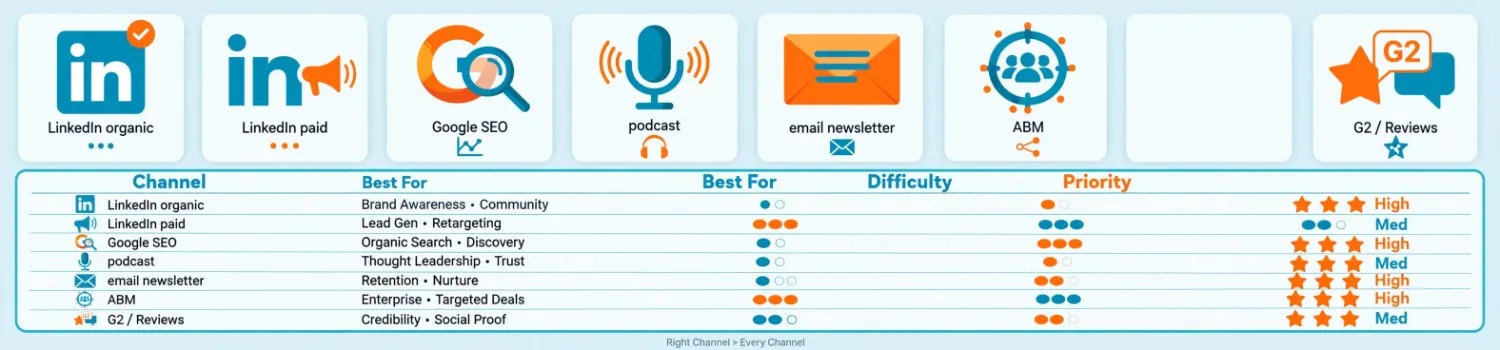
Channel selection framework:
| Channel | Best For | Funnel Stage | Cost Profile |
|---|---|---|---|
| LinkedIn Organic | Thought leadership, ICP reach | TOFU | Low cost, high time |
| LinkedIn Paid | Targeted awareness at scale | TOFU/MOFU | High CPM |
| Google Paid Search | In-market buyer capture | BOFU | High CPC |
| SEO/Content | Long-term organic demand | All stages | Low cost, high time |
| Podcast (Guest) | Dark funnel authority | TOFU | Low cost, high time |
| Email Newsletter | Nurture and retention | MOFU | Low cost |
| Webinars | Solution awareness | MOFU | Medium cost |
| ABM Campaigns | Named account pipeline | BOFU | High cost |
| Review Platforms | Vendor evaluation | BOFU | Low-medium cost |
Step 5: Align Marketing and Sales Around Revenue, Not MQL Volume
Full-funnel demand generation requires a fundamentally different marketing-sales relationship than traditional lead generation. Marketing’s job does not end at the MQL handoff; it continues through the entire buying cycle.
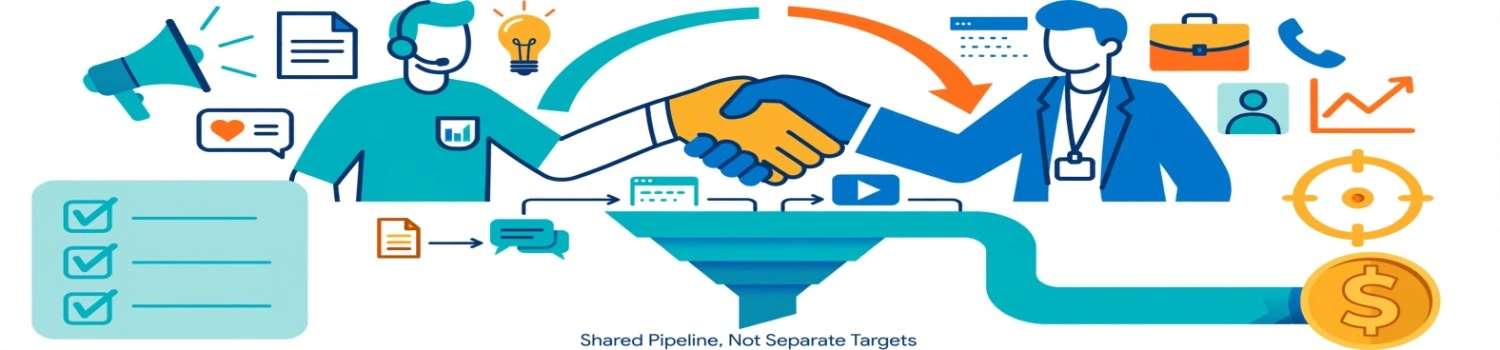
Specific alignment mechanisms to implement:
Shared pipeline goal
Marketing and sales both own a pipeline number, not separate MQL/SQL targets
Content-to-pipeline mapping
Track which content assets appear in the buyer journeys of closed-won deals
Sales feedback loops
Sales reps report on the objections, questions, and competitor mentions they hear in discovery calls – this data directly informs content creation
Deal support content
Marketing creates deal-specific content for active opportunities, including custom comparison documents, ROI analyses, and stakeholder-specific messaging
Step 6: Build a Full-Funnel Measurement Infrastructure
Measurement is where most demand generation programs fail – not in execution, but in attribution. Organizations that measure demand generation exclusively through MQL volume and CPL are measuring the wrong things.
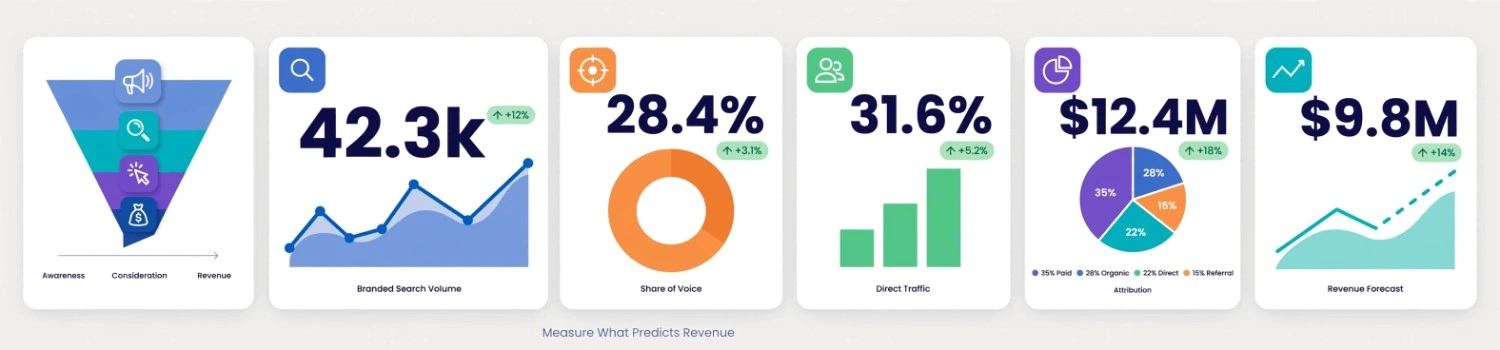
A full-funnel measurement framework should include:
Leading indicators (top of funnel):
Branded search volume, share of voice, content reach and engagement, direct traffic growth
Pipeline indicators (middle of funnel):
Marketing-influenced pipeline, multi-touch attribution revenue, cost per pipeline opportunity, marketing-sourced SAO (sales accepted opportunity) rate
Revenue indicators (bottom of funnel):
Marketing-attributed revenue, pipeline-to-revenue conversion rate, customer acquisition cost (CAC), marketing contribution to revenue
Step 7: Optimize the System with Quarterly Reviews
Demand generation strategy should not be a fixed annual plan. Buyer behavior, channel algorithms, and competitive dynamics change continuously. Implement a quarterly review cadence that evaluates:
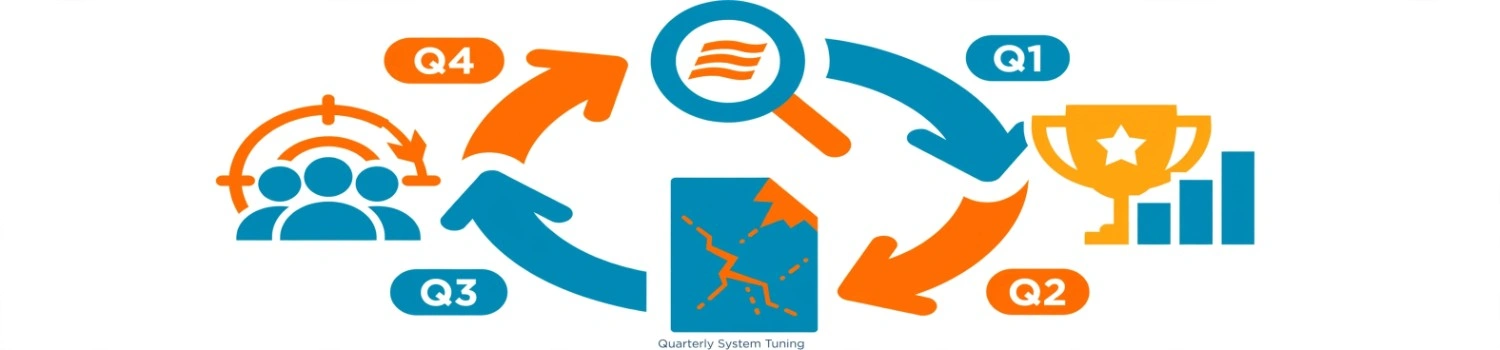
- Which top-of-funnel channels are increasing branded search volume?
- Which content formats are appearing in closed-won deal histories?
- Where are prospects dropping out of the middle funnel?
- Which demand capture channels are delivering the strongest pipeline-to-revenue conversion?
- Has the ICP evolved based on new customer data?
Full-Funnel Demand Generation: Content Strategy by Buyer Awareness Stage
One of the most practical frameworks for demand generation content planning is the buyer awareness ladder, which categorizes prospects by their level of problem and solution awareness.
| Awareness Stage | Buyer State | Content Goal | Format Examples |
|---|---|---|---|
| Unaware | Doesn’t know the problem exists | Introduce the problem category | Data-driven articles, LinkedIn posts, trend reports |
| Problem Aware | Knows the problem, not the solution type | Educate on solution categories | How-to guides, benchmark reports, comparison articles |
| Solution Aware | Evaluating solution categories | Build category preference | Deep dives, ROI frameworks, webinars |
| Product Aware | Evaluating specific vendors | Differentiate your brand | Case studies, comparison pages, demos |
| Most Aware | Ready to buy | Remove friction | Pricing pages, free trials, sales conversations |
Most B2B content programs only address the bottom two rows – product aware and most aware. Full-funnel demand generation requires content covering all five stages, with the heaviest investment in the top three where future pipeline is being shaped.
Common Demand Generation Mistakes That Destroy Pipeline

Mistake 1: Gating Everything
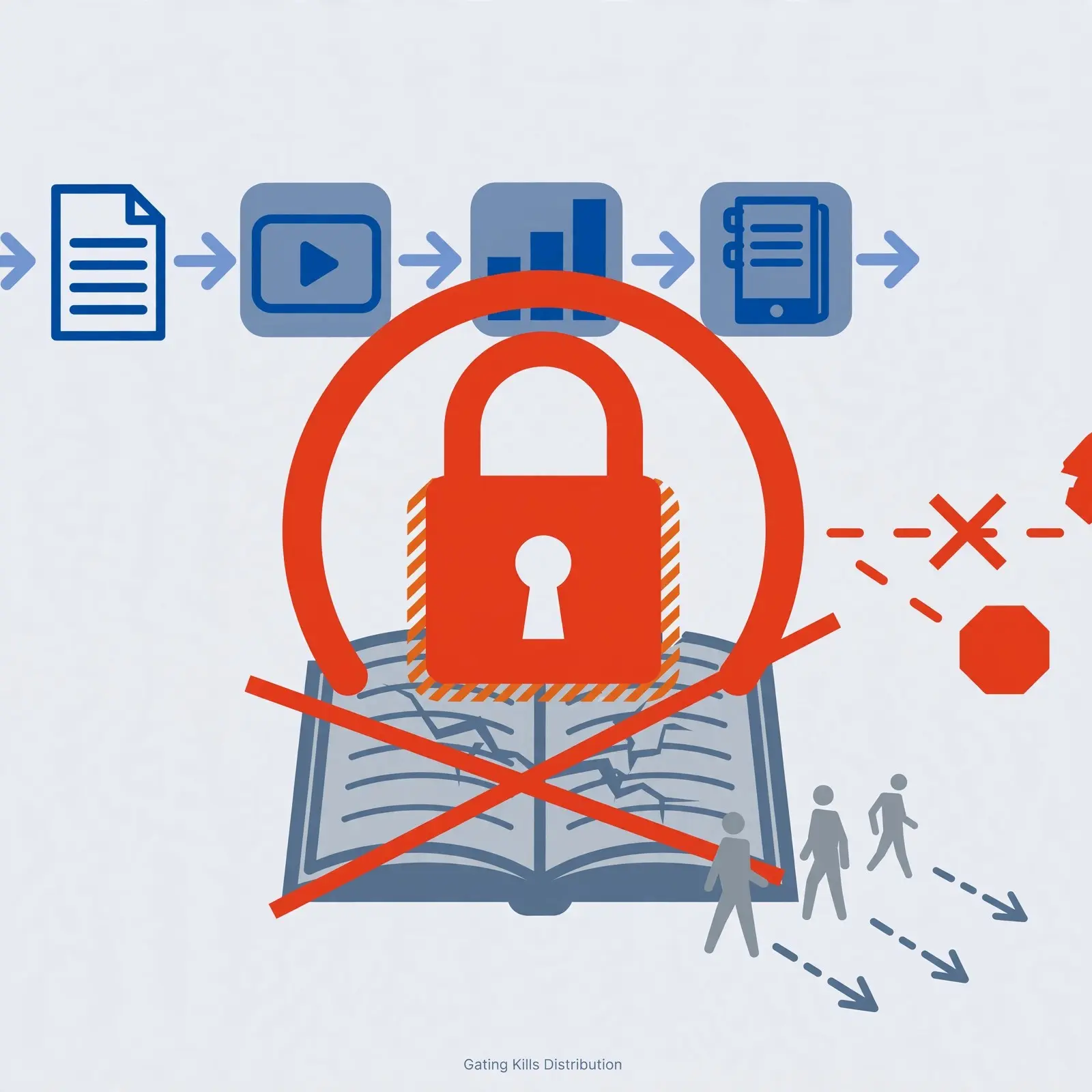
Gating top-of-funnel educational content prioritizes short-term lead volume over long-term demand creation. When a buyer encounters a gate on content they wanted to read, the most common outcome is not form completion – it is abandonment. Gating should be reserved for high-value, stage-appropriate content: templates, proprietary tools, benchmark reports, and certification programs. Educational content intended to build category awareness should always be ungated.
Mistake 2: Measuring Demand Generation With Demand Capture Metrics
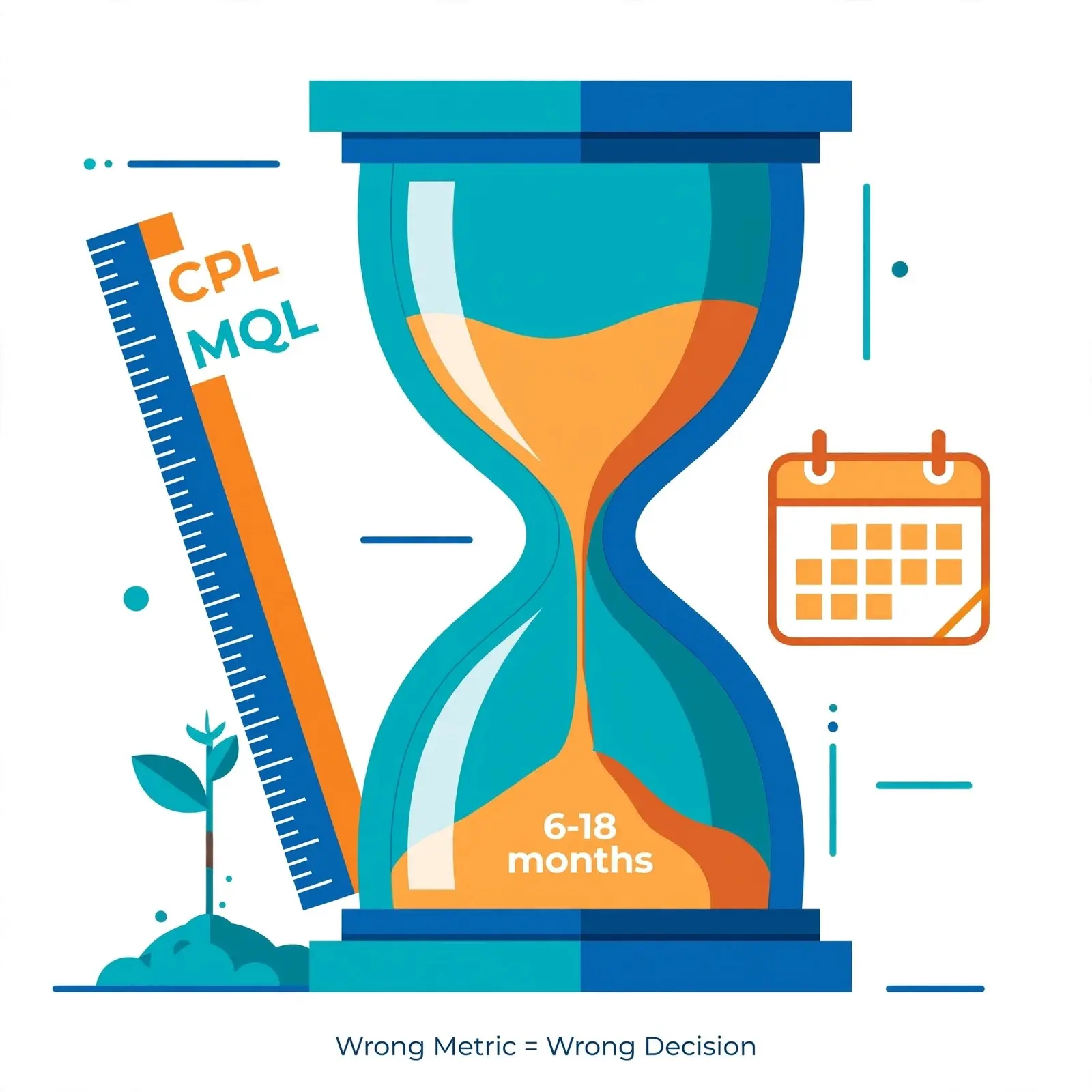
Applying CPL and MQL metrics to top-of-funnel demand creation programs is like evaluating a brand campaign by its immediate direct-response conversion rate. Awareness-stage investment takes 6 to 18 months to manifest as measurable pipeline. Organizations that kill top-of-funnel programs because they do not generate leads within 90 days are systematically defunding the source of their future pipeline.
Mistake 3: Treating All Content as Interchangeable
Publishing a product-focused case study to prospects who are not yet problem-aware is noise. Sharing a problem-education article with buyers ready to evaluate vendors is friction. Each content asset has a specific audience awareness level for which it is optimized. Distributing content without matching it to audience awareness stage dramatically reduces its effectiveness.

Mistake 4: Ignoring the Buying Committee
With 13 internal stakeholders involved in the average B2B purchase decision (Forrester, 2026), optimizing demand generation for a single buyer persona is structurally incomplete. Champions need content that helps them build internal consensus. Economic buyers need ROI frameworks and risk mitigation narratives. Technical evaluators need integration documentation and security reviews. Each stakeholder requires a distinct content approach at each funnel stage.
Mistake 5: Separating Brand from Demand
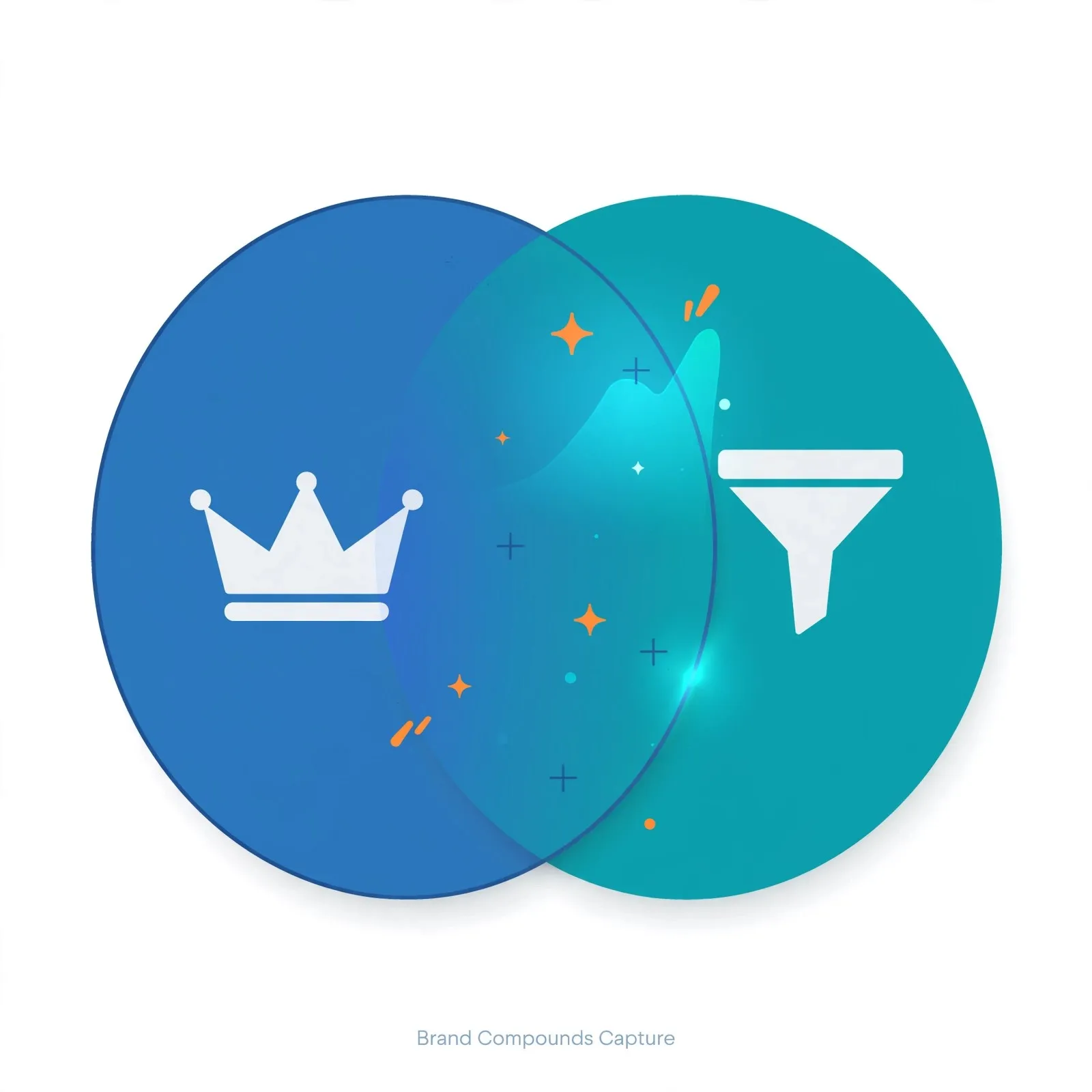
Many organizations run brand programs and demand programs as separate budget lines with separate teams, separate metrics, and separate reporting. This creates a false division. Brand investment increases the efficiency of every demand capture channel – higher brand awareness means higher click-through rates on paid search, higher email open rates, higher conversion rates on demo request pages. Demand generation and brand investment compound each other.
Mistake 6: Over-Indexing on Paid Channels
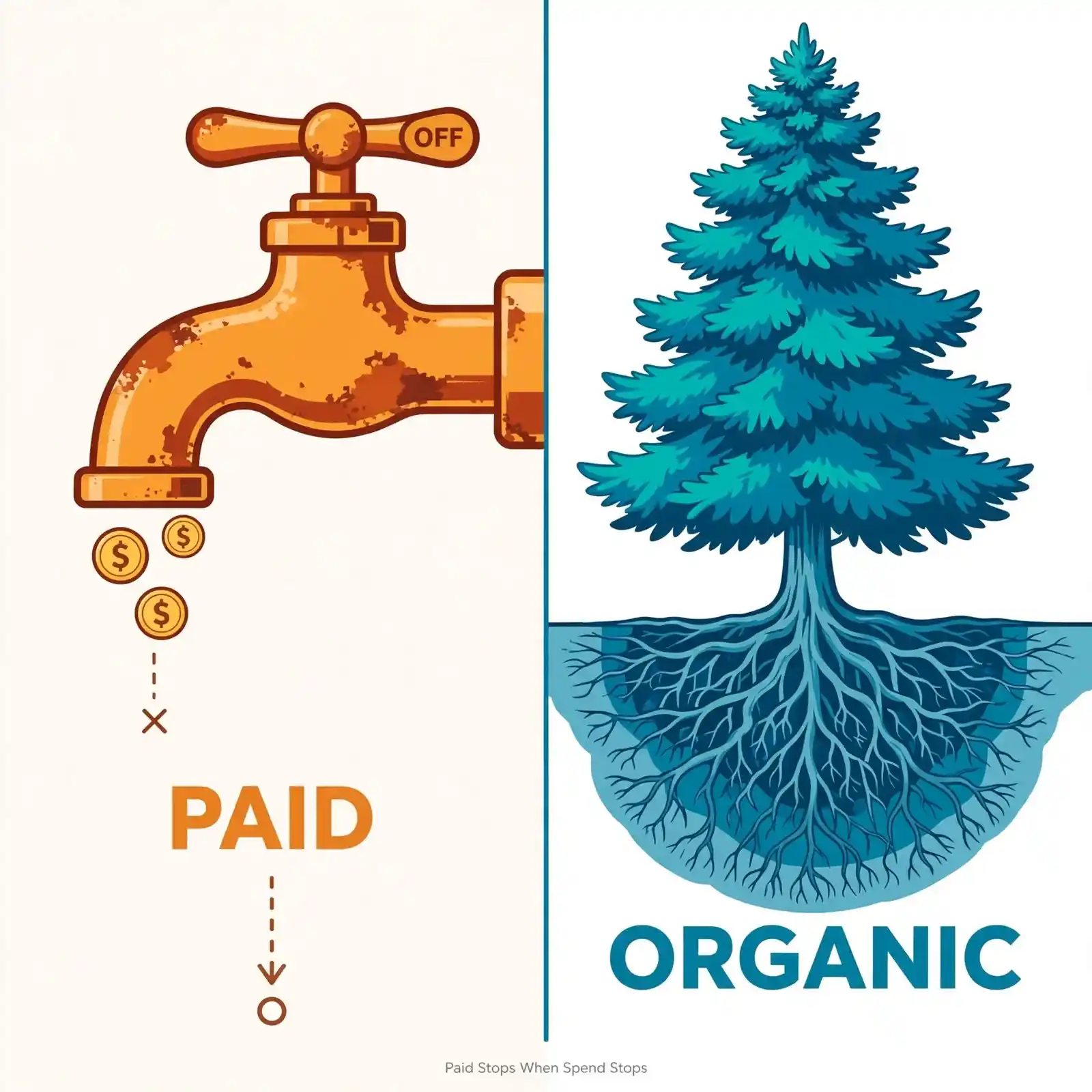
Paid demand capture channels (Google Ads, LinkedIn Sponsored Content) generate predictable short-term pipeline but create no compounding asset. The moment you stop spending, the pipeline stops. Content-driven demand generation compounds over time – a well-optimized article continues generating organic traffic and influence for years. A balanced demand generation portfolio invests in both compounding organic assets and predictable paid channels.
Expert Tips for High-Performance Demand Generation
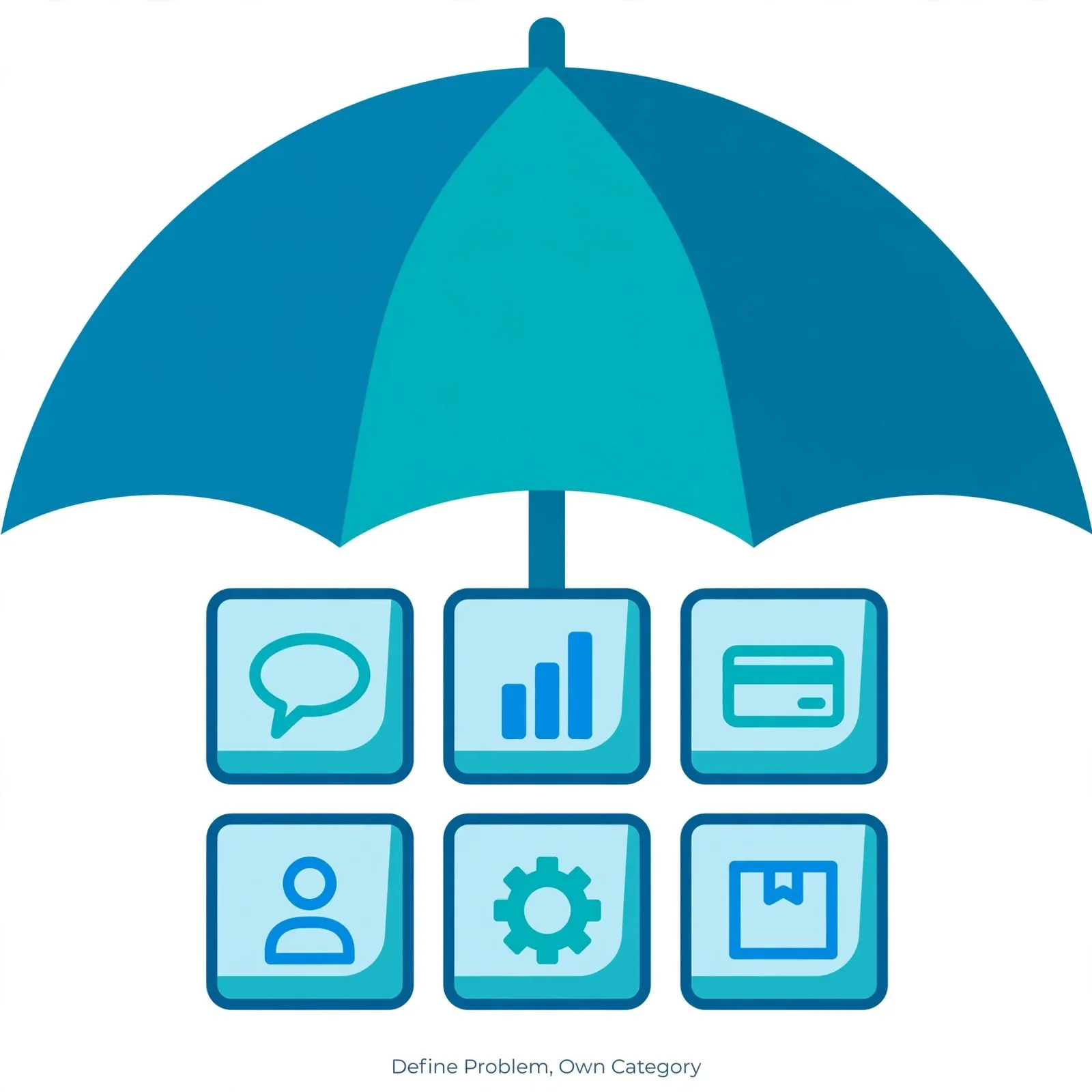
Tip 1: Think in “problem categories,” not products
The most effective top-of-funnel demand generation content does not promote your product – it defines and elevates the problem your product solves. When your brand becomes associated with educating the market about a specific problem category, every buyer entering that category already knows your name. This is category creation, and it is the highest-leverage demand generation investment available.
Tip 2: Use LinkedIn as your primary TOFU channel for B2B
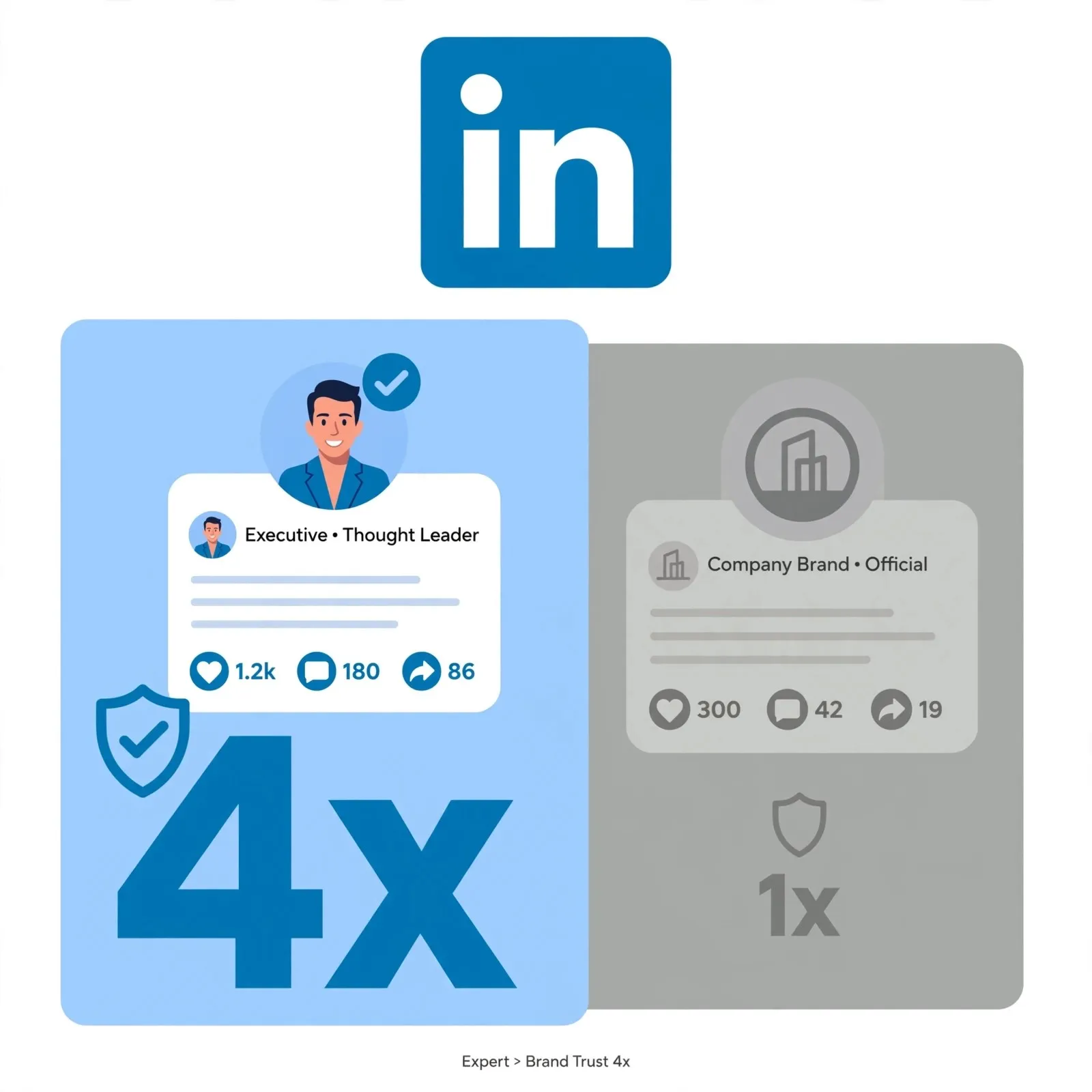
LinkedIn is where B2B buying committees consume content, form opinions, and make referrals to peers. B2B buyers trust content from subject matter experts four times more than branded corporate messaging, according to LinkedIn’s own research. Invest in executive thought leadership on LinkedIn before any other paid channel.
Tip 3: Build a self-reported attribution question into every lead form
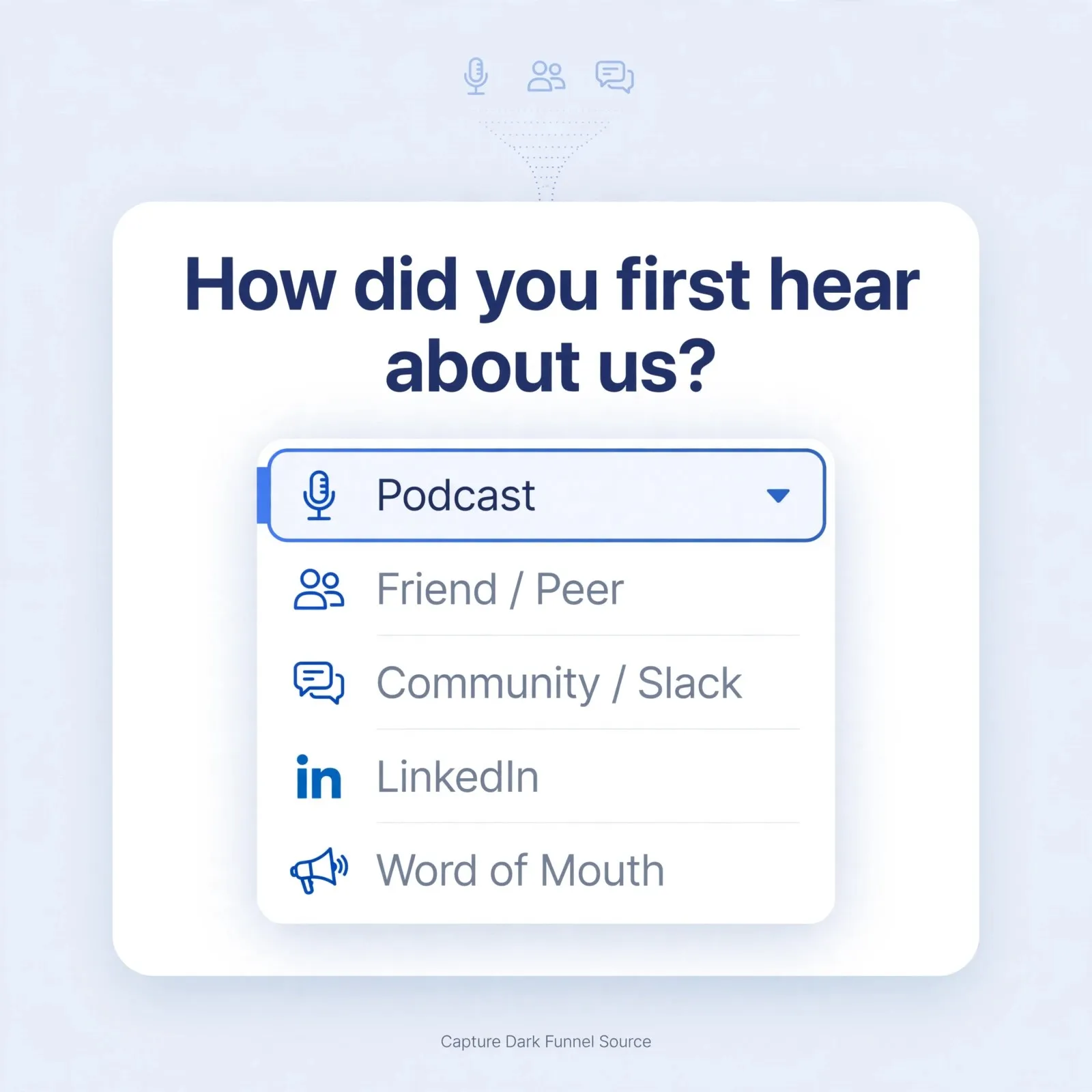
Ask “How did you first hear about us?” on every demo request form. This single question captures dark funnel influences – podcast listens, peer recommendations, community discussions – that UTM-based attribution never records. Over time, the aggregate answers reveal which awareness channels are actually building purchase intent.
Tip 4: Treat your customer base as a demand generation asset
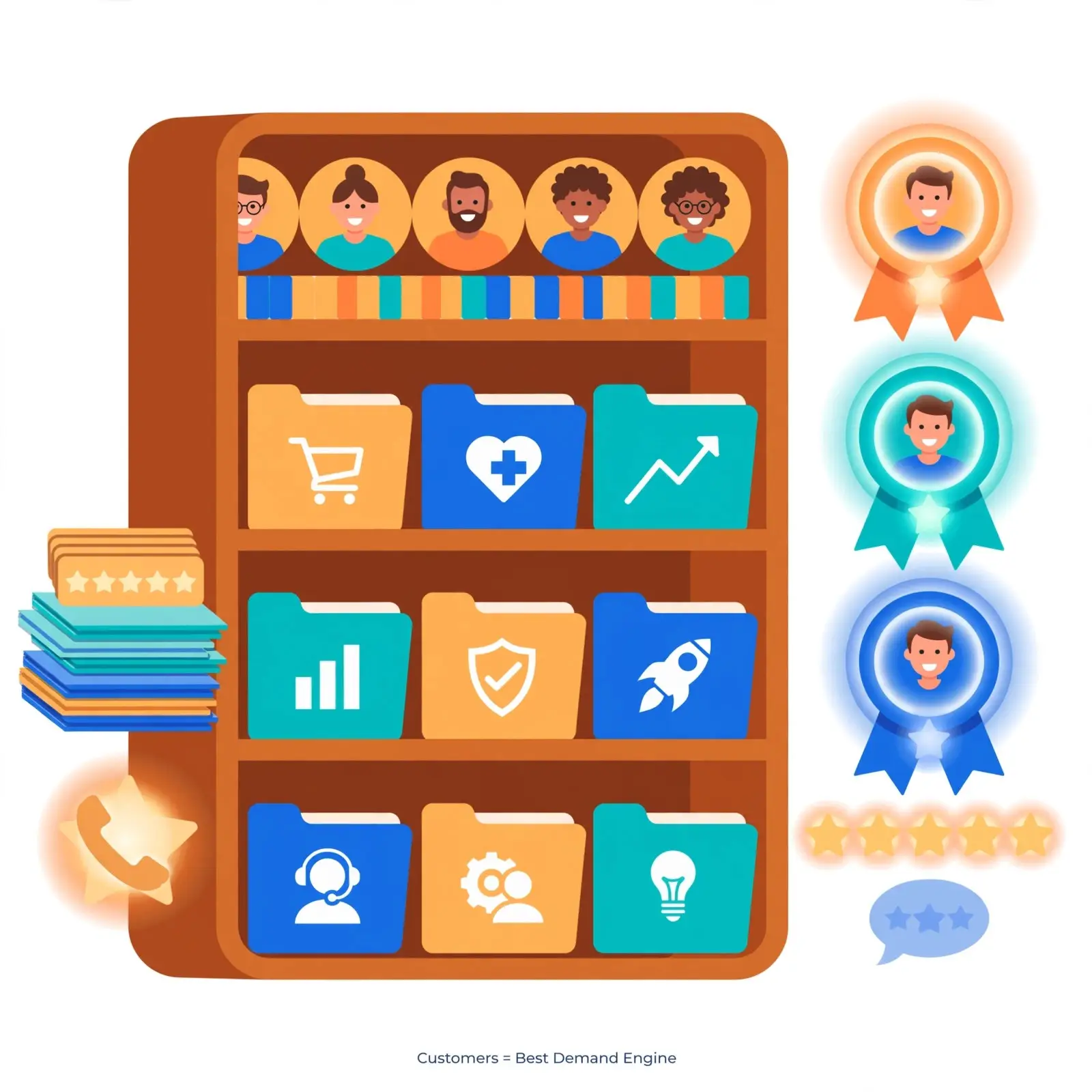
Customer success stories, reference calls, peer reviews, and case studies are among the most effective demand generation assets because they carry social proof that no branded content can replicate. Systematically building a library of outcome-focused customer stories – by industry, use case, company size, and buyer persona – creates a scalable demand generation asset that improves with every new customer.
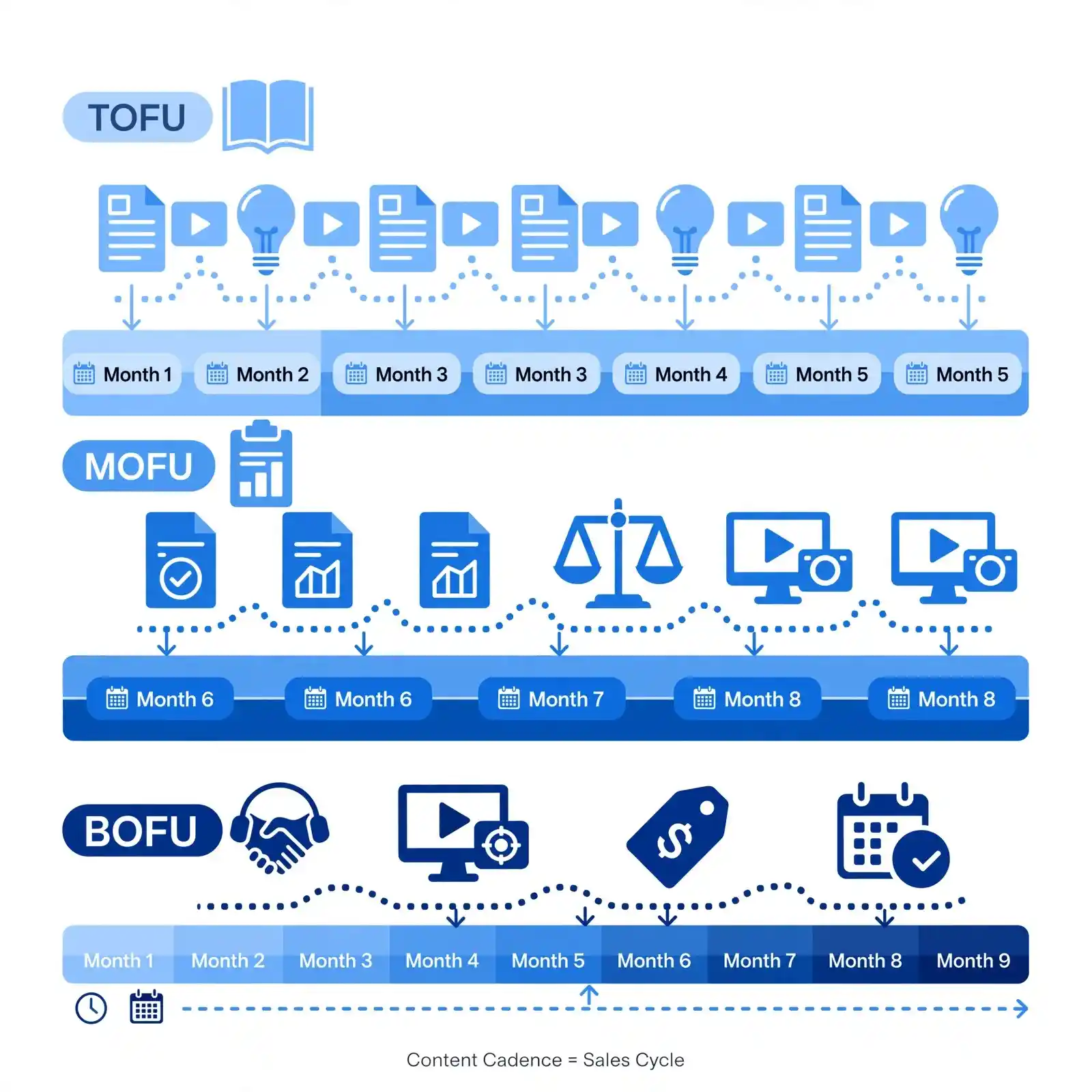
Tip 5: Synchronize content publishing frequency with your sales cycle length
If your average sales cycle is 9 months, a prospect who reads your top-of-funnel content today should encounter middle-funnel content naturally in months 2 to 5 and bottom-funnel content in months 6 to 9. This requires a content publishing calendar that anticipates the full journey timeline – not just a steady stream of ad hoc articles without strategic sequencing.
Demand Generation KPIs: What to Actually Measure
Measuring full-funnel demand generation correctly requires separating metrics by funnel phase. Mixing leading indicators with lagging indicators produces confusing reports and wrong conclusions.
Top-of-Funnel KPIs (Demand Creation):
- Month-over-month branded search volume growth
- Total organic impressions on non-branded keywords
- Social reach and share of voice against key competitors
- Direct traffic growth rate
- Email subscriber growth rate
- Content consumption metrics (pages per session, time on site, return visit rate)
Middle-of-Funnel KPIs (Demand Acceleration):
- Email nurture open rates and click-through rates
- Webinar registration and live attendance rates
- Review platform listing views and referral traffic
- Content-influenced pipeline (deals where middle-funnel content appeared in the buyer journey)
- MQL-to-SQL conversion rate
Bottom-of-Funnel KPIs (Demand Capture):
- Demo requests and trial sign-up volume
- Cost per pipeline opportunity by channel
- Marketing-sourced pipeline as a percentage of total pipeline
- Pipeline velocity (days from first touch to opportunity creation)
- Marketing-attributed closed-won revenue
Company-Level Revenue KPIs:
- Customer acquisition cost (CAC) blended and by channel
- Marketing contribution to total revenue
- Pipeline coverage ratio (pipeline value as a multiple of quarterly revenue target)
- Return on marketing investment (ROMI) by program
Full-Funnel Demand Generation vs. ABM: How They Work Together
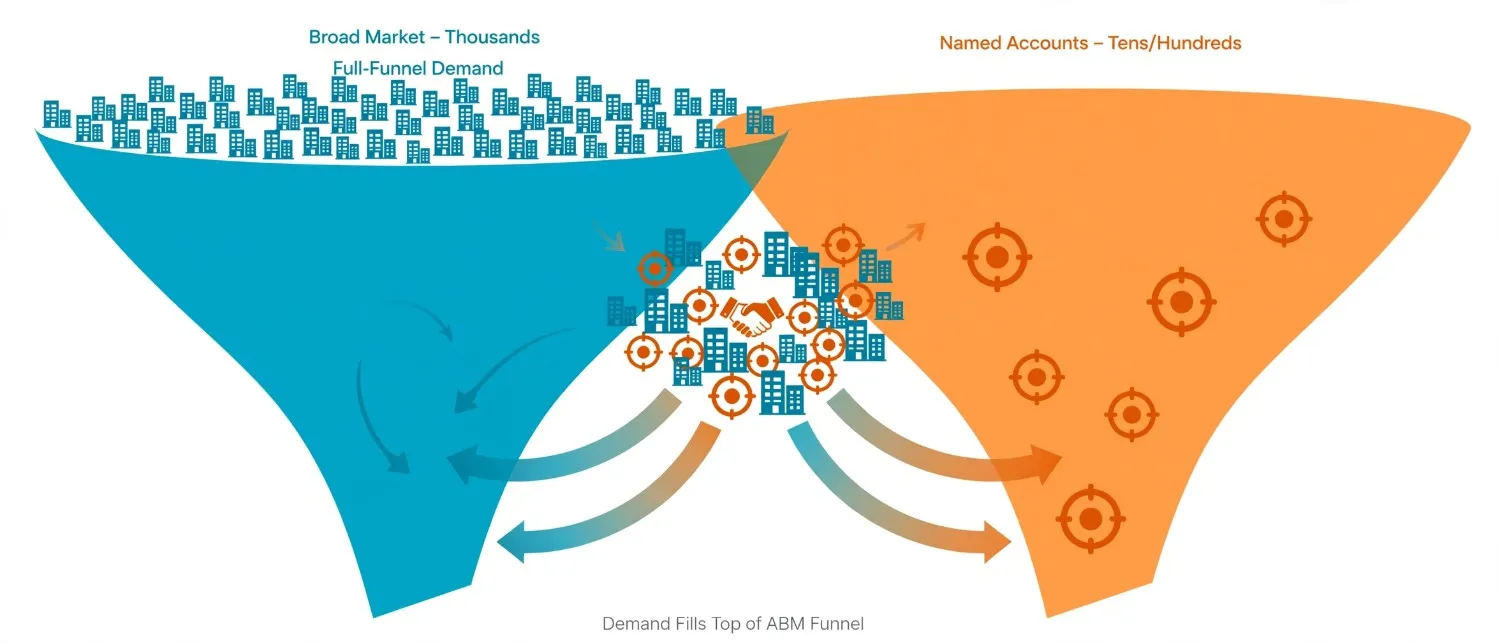
Account-Based Marketing (ABM) and full-funnel demand generation are frequently positioned as competing approaches. They are not. They are complementary strategies that operate at different scales.
| Dimension | Full-Funnel Demand Generation | Account-Based Marketing |
|---|---|---|
| Audience | All companies matching ICP | Specific named accounts |
| Scale | Thousands of companies | Tens to hundreds of accounts |
| Personalization | Segment-level | Account and person-level |
| Goal | Build broad market demand | Accelerate specific account pipeline |
| Content approach | Category-level education | Account-specific relevance |
| Measurement | Pipeline influenced across market | Pipeline influenced in named accounts |
The most effective B2B marketing organizations run demand generation to build broad market awareness and category preference, then use ABM to accelerate specific high-value accounts into pipeline. Demand generation fills the top of the ABM funnel by warming target accounts before sales outreach.
FAQ: Full-Funnel Demand Generation
Q1: What is full-funnel demand generation?
Full-funnel demand generation is a marketing system that creates, accelerates, and captures buyer demand across every stage of the purchase journey. It combines awareness-building content and brand investment at the top of the funnel with nurture, evaluation support, and conversion tactics at the middle and bottom – all measured against pipeline and revenue outcomes rather than vanity metrics.
Q2: What is the difference between full-funnel demand generation and lead generation?
Lead generation focuses on collecting contact information from buyers who are already searching for solutions. Full-funnel demand generation creates intent among the entire addressable market – including the 95% not yet actively searching – through educational content, thought leadership, and category positioning. Demand generation feeds lead generation over time; lead generation alone cannot create new market demand.
Q3: Why do most demand generation programs fail?
The most common reasons demand generation programs fail include: measuring demand creation tactics with demand capture metrics (expecting immediate MQL output from awareness campaigns), gating all content and restricting distribution at the top of the funnel, misalignment between marketing and sales on pipeline goals, and ignoring the dark funnel channels where B2B purchase decisions are actually shaped.
Q4: How long does full-funnel demand generation take to produce pipeline results?
Top-of-funnel demand creation typically requires 6 to 18 months to manifest as measurable pipeline contribution. Middle-funnel nurture programs typically show impact within 60 to 90 days. Bottom-of-funnel demand capture channels can produce pipeline within days to weeks. Effective full-funnel demand generation combines all three phases so short-term capture metrics do not crowd out the long-term creation investment.
Q5: How do you measure top-of-funnel demand generation ROI?
Top-of-funnel ROI is measured through leading indicators: branded search volume growth, total organic impression share, share of voice vs. competitors, direct traffic growth, and email subscriber growth. These leading indicators predict future pipeline at a 6 to 18-month lag. Connecting awareness investment to eventual pipeline requires multi-touch attribution with sufficient window length to capture the full sales cycle.
Q6: What content formats work best for full-funnel demand generation?
For demand creation: original research reports, executive thought leadership (especially on LinkedIn), ungated educational content, podcast guest appearances, and YouTube tutorials. For demand acceleration: webinars, in-depth case studies, email nurture sequences, and comparison guides. For demand capture: competitor comparison pages, demo landing pages, ROI calculators, and intent-triggered paid search campaigns.
Q7: What is the dark funnel and why does it matter for demand generation?
The dark funnel is the 70% to 80% of the B2B buyer journey that occurs through untraceable channels: peer recommendations, private community discussions, podcast consumption, AI assistant queries, and review platform browsing. It matters because the buying preferences formed in the dark funnel determine which vendors make it onto a shortlist before formal search begins. Full-funnel demand generation invests in dark funnel presence through thought leadership, community participation, and review platform optimization.
Q8: How should marketing and sales align around demand generation?
Marketing and sales alignment for demand generation requires a shared pipeline number (not separate MQL/SQL targets), content-to-pipeline mapping to identify which assets drive closed-won outcomes, sales feedback loops that inform content creation with real buyer objections and questions, and joint ownership of pipeline velocity metrics. The MQL handoff model is insufficient for full-funnel demand generation; both teams must own the complete buyer journey.
The Compounding Advantage of Building Demand Before Capturing It
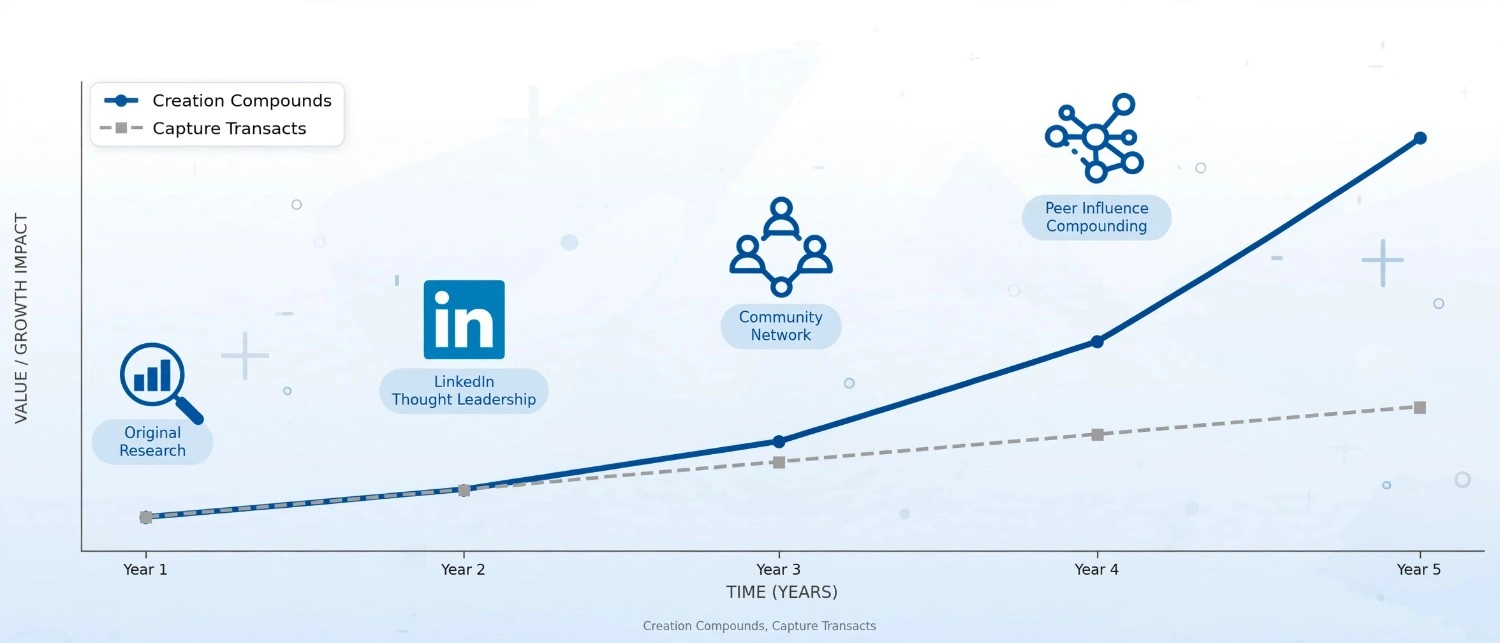
The fundamental insight behind full-funnel demand generation is straightforward: the organizations winning in B2B today are not just the ones with the best demand capture tactics – they are the ones who built buyer preference before the search ever happened.
Every dollar invested in top-of-funnel demand creation compounds over time. A well-produced original research report continues building category authority for years. A LinkedIn thought leadership program gradually makes your brand the default association for the problem you solve. A community you build becomes a peer influence channel that operates entirely outside of paid media budgets.
Demand capture, by contrast, is purely transactional – efficient when the demand exists, powerless when it does not. Organizations that invest exclusively in capture channels find themselves competing more aggressively each year for the same finite pool of in-market buyers, while their total addressable market remains untouched.
Key takeaways from this guide:
- Full-funnel demand generation spans all three phases: creation, acceleration, and capture – with distinct strategies, content formats, and metrics for each
- 70% to 80% of the B2B buyer journey happens in the dark funnel before any tracked interaction – top-of-funnel investment shapes these invisible decisions
- Demand creation typically takes 6 to 18 months to produce measurable pipeline – measuring it against short-term lead metrics produces wrong conclusions
- The buying committee now averages 13 stakeholders (Forrester, 2026) – single-persona demand generation misses most of the people who influence the purchase
- Gating educational content restricts distribution at exactly the stage where maximum reach is the strategic priority
- Balancing demand creation with demand capture protects pipeline stability against algorithm changes, budget fluctuations, and competitive pressure
Ready to build a demand engine that creates buyers before they start searching? and discover how a systematic demand generation framework connects content and channel investment directly to pipeline and revenue outcomes.
Explore BRMIS’s Full-Funnel Demand Generation Capabilities →